-
 In some parts of Kansas, groundwater is polluted with enough nitrates that it can fulfill some of the fertilizing needs for farmers.
 -
 Kansas City’s Blue River Biosolids Facility is using an innovative wastewater treatment process to convert sewage into energy and fertilizer while cutting greenhouse gas emissions.
 -
 The cost of doing business in agriculture was already high before the blockade of the Strait of Hormuz, which spiked fertilizer and fuel prices. Now, making any money this season may require farmers to cut back on certain resources.
 -
 The Strait of Hormuz, a vital trade passageway, remains virtually closed due to the war in Iran. That’s driven up the prices of key agricultural necessities, which could remain high into next year.
 -
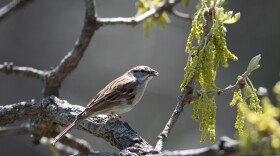 New research out of Ohio State University found the rate of bird decline was quicker in areas with more intense agricultural practices.
 -
 Gulf states are major fertilizer producers, and the war with Iran has triggered a 25% price hike just as struggling U.S. farmers are planting corn.
 -
 Farmers rely on the Mississippi River to ship grain and bring them imported fertilizer and other critical inputs. But another year of low river levels means barge travel will be more expensive.
 -
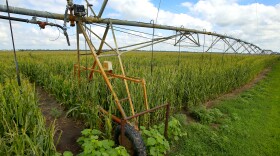 Scientists in the Midwest and Great Plains were poised to start research to cut U.S. reliance on fertilizer imports, keep biofuel farming cost-competitive and tackle a potent greenhouse gas.
 -
Scientists in Kansas, Missouri and other states were poised to start research to cut U.S. reliance on fertilizer imports, keep biofuel farming cost-competitive and tackle a potent greenhouse gas.
-
 Farmers, politicians and agriculture experts are raising alarm about the impact of potential tariffs on Canadian potash, a key mineral needed for fertilizer.
 -
 Several south-central Kansas counties are seeing a dramatic increase in groundwater contamination. The region’s nitrate pollution comes primarily from agriculture.
 -
 One year away from a federal deadline to reduce nutrient runoff into the Gulf of Mexico by 20%, increases in tile drainage, livestock and fertilizer use have made success unlikely.

© 2026 Kansas City Public Radio
NPR in Kansas City
Play Live Radio
Next Up:
0:00
0:00
Available On Air Stations


