
-
 Eric Harkleroad/KFF Health NewsNew federal rules take effect in two months, requiring many Medicaid recipients to prove they work, volunteer or otherwise partake in "community engagement" activities. MO HealthNet recipients will also need to verify their eligibility twice a year instead of once.
 -
 Anna Spoerre/Missouri IndependentSupporters say the proposed ban protects women facing medical emergencies and survivors of sexual assault. Critics question whether those protections would work in practice.


-
 Peptides are amino acids that regulate body functions. Online, retailers claim they can fix everything from muscle soreness to pale skin.
 -
 If approved by a majority of voters in November, Amendment 3 would overturn Missouri's 2024 reproductive-rights amendment and effectively ban abortion again. An effort to "Stop The Ban" has raised nearly $26 million.
 -
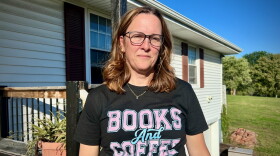 NKC Health, the North Kansas City hospital that sued, said it has a responsibility to protect its bottom line in an increasingly difficult healthcare landscape. The patient ended up taking out a bank loan to pay off the debt.
 -
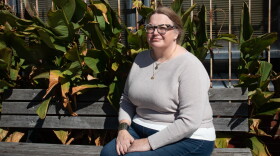 Missouri has some of the strictest policies for certified nurse-midwives, requiring they get physician supervision, collaboration or sign-off. A group of advocates who gathered in Kansas City says granting them full-practice authority would boost the local workforce and expand options and access to healthcare.
 -
 The closure comes as maternity care continues to disappear across rural Missouri. More than half of Missouri’s counties have no local labor and delivery services.
 -
 With a statewide vote on the line and national fights around mifepristone, the Missouri Abortion Fund has launched a campaign to remind Missourians they "always have options."
 -
 Although The University of Kansas Health System and NKC Health provide free care and write off millions in charges, they have sued more than 400 people in Missouri and Kansas so far this year. Other area hospitals also don't garnish patients' wages to recoup payment.
 -
 As of Oct. 1, Missouri's Department of Social Services will now review documentation of housing costs, childcare expenses and assets in applications for SNAP benefits.
 -
 Nonprofit hospitals are required to help those who can’t pay, but as medical costs rise and health insurance coverage shrinks, some patient advocates say hospitals need to do more. Recent reporting about Kansas Sen. Roger Marshall has raised broader questions about the ethics and methods of collecting debt.
 -
 Black women are more than twice as likely to die in childbirth as any other race. To help reduce that disparity, Jamaa Birth Village opened Missouri's first midwifery school in Ferguson.
 -
 Some conservatives argue the abortion restrictions in Missouri Amendment 3 don’t go far enough, a split that could matter in a race that recent polling shows is essentially tied
 -
 A new lawsuit challenges Medicaid regulations set to go into effect Jan. 1 that could hinder access to healthcare for people with chronic conditions. A Kansas City-based nonprofit says its client qualifies but struggles to clear administrative hurdles.


