With KCUR and Classical KC moving out of our home for the last 40 years, how have we managed to stay on the air?
In addition to our desks, offices and recording studios, 4825 Troost has long housed the "brains" of KCUR's broadcast operations — equipment known as "DAD" (Digital Audio Delivery system), the NPR public radio distribution satellite system, and our Wheatstone audio routing network.
It's because of this technology that KCUR and Classical KC can take our audio and send it to our transmitter, up a tower, through an antenna and out to all your radios (up to 90 miles away!).
That transmitter lives in a small building in eastern Jackson County. (You may recall that we upgraded our antenna and transmitter a few years ago — check out our full explanation of what that meant here.)
To ensure uninterrupted service as we vacate 4825 Troost, a band of KCUR staff and volunteers disassembled and moved those "brains" to our eastern Jackson County site — all in the course of a weekend, in the middle of a snowstorm.
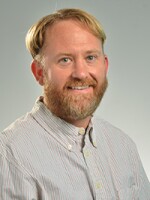
Below, KCUR's Director of Broadcast Operations Chris Prewitt gives us a look behind the scenes.

It’s been an intense and mentally stimulating couple of weeks and I’m not kidding when I say I’ve actually enjoyed that process.
There is so much left to learn, figure out and do, but currently both KCUR and Classical KC are operating via FM, HD and internet streams out of the KCUR transmitter building, allowing a little time to figure out what to do next.
It was only possible to move two radio stations in one weekend (in possibly the worst weather to do so) thanks to an amazing team of helpers.

Long days were spent ahead of time planning, training and preparing with KCUR's Ron Jones, Genevieve Des Marteau and Sam Wisman. Greg Hill at WUOT built hours and hours of all-new playlists. Mark Johnson at KBIA programmed and automated both stations — so that Kansas City listeners would continue to hear news and music as usual throughout the whole weekend.
Another key volunteer was Claus Wawrzinek, who not only assisted over the weekend but also did everything possible to chip in during the weeks before, from complicated rewiring to mundane tasks like removing speakers in the ceilings around the station.
As he left the transmitter site yesterday, Wawrzinek said, “Thanks for letting me go. It was fun and felt like a privilege.”
Another key member of the relocation team is KCUR announcer Rachel Anders. Not only did you hear her voice on every KCUR break all day Saturday and Sunday, she was an organizational force at the transmitter site.

She jumped in to help anyone with anything and somehow was always holding what we needed when we needed it. She's also has spent hours documenting the move through videos and photos.
I hadn't initially thought about needing an electrician going into the move, but volunteer (and trained electrician) Jon Sanders kept us from blowing a single breaker even after adding all the extra equipment needed to power the new load. Sanders even took a day off of work to help.
And I knew I needed Stephen Steigman going into this. As former broadcast engineer for KCUR, he was the one who had initially put most of this equipment together and knew the ins and outs of how things worked.
Steigman saved the day a bunch of times, rushing back and forth from the transmitter as the crew worked to push the NPR stream feed from our friends at KBIA — while the staff back at the building dismantled the equipment — then swapping out the feed once it was up and running, taking us back to a live stream from KCUR.
I’d love to keep going with all the dozens of other staff and volunteers around the station who have been working so hard this crazy month.
Everyone has really pitched into to keep the "fun" part of our core values at the center and kept me going throughout. There is a lot left to do but I know that we will get it done, one bite at a time.

| 
| 
|
For more information about KCUR's relocation, check out our FAQ here.
Below, see some more photos from the move.