-
 The herbicide dicamba can travel for miles, potentially triggering changes in weeds that are essential for pollinator health. Research shows that one weed in particular has an unusual response to being exposed to small doses of the chemical.
-
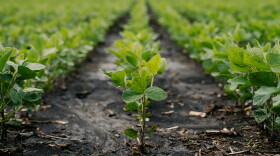 New federal rules for dicamba aim to help cotton and soybean farmers control weeds. But the herbicide, which can kill other crops and trees, remains controversial.
-
Environmental groups plan to challenge the decision, which they say protects the pesticide industry and pits farmers against each other.
-
 More herbicides could face legal challenges in the coming years, but they were once a key player in the rise of modern industrialized growing systems.
-
 Andrew Joyce won’t be growing any tomatoes this summer. His three-acre produce farm in Malden, Missouri, will lie fallow. The cause: damage from the weed…
-
Updated at 11 a.m. Nov. 26 with a correction — A southeastern Missouri cotton and soybean farmer has the distinction of being the first person in the...
-
 Pesticides are all over, from backyard gardens to cornfields. While their use doesn’t appear to be slowing, concern over drift and the resulting effects…
-
Farmers in a federal class-action lawsuit filed two main complaints this week against agro-chemical giants Monsanto and BASF regarding the herbicide...
-
 A statue at Fort Leavenworth pays tribute to the Buffalo Soldiers, the all African-American calvary formed after the Civil War. Today, John Bruce and…
-
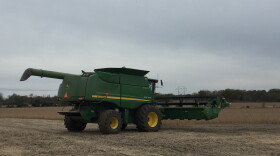 In the hopes of not repeating a problematic year for soybean crops, farmers across the U.S. are deciding how best to protect their crops and their…

© 2026 Kansas City Public Radio
NPR in Kansas City
Play Live Radio
Next Up:
0:00
0:00
Available On Air Stations


