
Thomas White
Workforce and Economic Impact Reporter, The BeaconEmail Thomas at thomas@thebeacon.media
-
 The Kansas City region added an estimated 12,800 jobs in 2026, nearly triple that of 2025, with the healthcare and construction industries gaining the most. But the number of people in the workforce actually shrank.
-
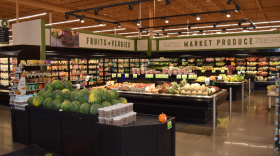 Since opening former Sun Fresh space in the Linwood Shopping Center, the store has averaged 1,000 transactions a day. Now, its low price, community-focused model is expanding across the state line.
-
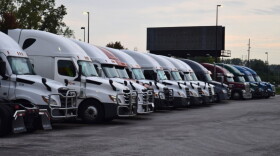 Nearly one out of every 10 workers in the Kansas City area works in transportation and material moving jobs. The spiking cost of diesel is squeezing everyone from truck drivers to fleet owners to consumers.
-
 The By-Right Housing Act aims to speed up homebuilding. In Kansas City, Kansas, the first and clearest change looks to be broadly available accessory dwelling units.
-
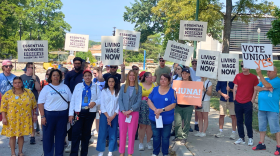 University of Missouri-Kansas City workers are pushing for a $19 wage floor for service and maintenance jobs, but Missouri law says public sector workers have no right to strike. The university says its pay structure is “based on the cost of labor rather than the cost of living.”
-
 The 11-page "community impact partnership agreement" commits at least $55 million to Kansas City over 30 years — approximately 9 cents back for every dollar the city is investing. Here’s what the public gets and how it compares to other deals.
-
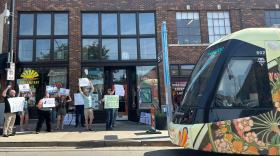 Privately-employed KC Streetcar operators, maintenance workers and maintenance technicians voted 41-11 to join the Teamsters union. Operators say their wages weren't keeping up with inflation, and they had no formal paid sick days or standardized break schedules.
-
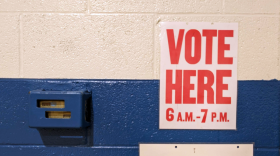 The questions covered water and sewer infrastructure, affordable housing, aging civic buildings and a sales tax for development in the urban core.
-
 Question 3 on the Aug. 4 election asks Kansas City voters to extend the 1/8-cent Central City Economic Development tax that helps fund projects in the urban core.
-
 Kansas City voters will see Question 4 (water) and Question 5 (sewer) on their Aug. 4 ballot. Here's what to know about the ballot language, the history behind the bonds, what they will fund and where the money comes from.


