-
 According to Gov. Mike Kehoe, Trump's approval of the disaster declaration means that FEMA's Public Assistance Program will be available for the nine counties affected by the flooding.
 -
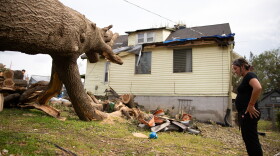 Wyandotte County resident Raúl Álvarez is still feeling the aftermath of the Aug. 18 storm that left thousands around Kansas City, Kansas, without power and with significant building damage. County officials continue to call for volunteers.
 -
 3D-printed concrete blocks being developed by Kansas State University could help build severe weather shelters in places like manufactured home communities.
 -
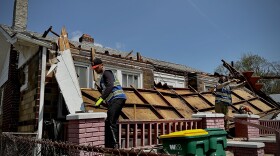 A heavy thunderstorm dumped inches of rain and hail on Kansas City, Kansas, leaving at least 60 homes in need of major repair, but the damage isn't likely to trigger a federal response.
 -
 Emergency management officials estimate the floods caused more than $26.5 million in damage across nine southeast Missouri counties.
 -
 Five counties in mid-Missouri hit by severe storms and tornadoes in late April will get assistance from FEMA for impacts to infrastructure.
 -
 FEMA has warned of relief delays due to federal funding. Monday's storm tracked 36.51 miles across the town of Slater, Gilliam and Glasgow, with a max wind speed of 115 mph.
 -
 St. Louis, FEMA and Missouri went back and forth on requests for tornado recovery help, clarity and time — at times taking months to respond. Here's how the last 10-plus months passed with little progress.
 -
 The federal government promised Kansas City $59 million in security funding for the World Cup. The partial government shutdown put funds’ release in limbo until the Department of Homeland Security announced last week it would start sending money.
 -
 Will Iran compete? Will violence in Mexico flare up? And what about funding for host cities in the U.S.? With only 100 days left before it beings, the 2026 World Cup in North America is facing a lot of uncertainty.
 -
 Rep. Sam Graves of Tarkio is trying to pass a major overhaul of the Federal Emergency Management Agency, including taking it out of the purview of the Department of Homeland Security.
 -
 The federal shutdown will affect people across the United States. NPR's network of member stations explains what will be impacted and where.

© 2026 Kansas City Public Radio
NPR in Kansas City
Play Live Radio
Next Up:
0:00
0:00
Available On Air Stations


