-
 Before the southeast Missouri smelter shut down in 2024, air monitors showed the surrounding area exceeded federal sulfur dioxide standards.
 -
 The U.S. Department of Justice reached agreement with The Kroger Co., which owns Dillons stores in Kansas, regarding its mismanagement of refrigerant chemicals, including payment of a $2.5 million penalty.
 -
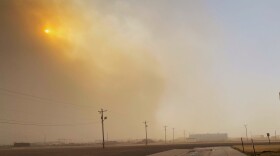 Western Kansas was scorched by wildfires spread out over several counties. While local and state fire agencies contain them, ranchers and small towns move to recovering.
 -
 Factors as far away as the Caribbean Sea and as nearby as the cornfields of Iowa can bring on that muggy, sticky feeling. For people with certain health conditions, it’s more than an annoyance.
 -
 St. Louis, Missouri, was ranked 21st worst city across the country for its ozone levels this year, while Kansas City was ranked 34th worst for its ozone levels. Now, the Trump administration is trying to roll back air pollution and other environmental regulations, which experts say could harm public health.
 -
 Authorities around Fredericktown, Missouri, called for some evacuations and told other nearby residents to shelter in place. The state Department of Natural Resources is on the scene to assess potential environmental impacts from the incident.
 -
 The Environmental Protection Agency estimates Rush Island released 275,000 tons of sulfur dioxide after it was updated without required pollution controls in 2007 and 2010.
 -
 Drought and some holdover wildfires from last year in Canada are already sending smoke into the Midwest and Great Plains.
 -
 Smoke from Canadian wildfires is smothering U.S. cities throughout the Midwest. Kansas City is under an ozone alert Wednesday showing that the air quality is unhealthy for sensitive groups.
 -
 The Mid-America Regional Council has issued a staggering nine ozone alerts for poor air quality in the past month. Experts say weather is a factor but they also say there are things people can do to stay healthy — and cut down on ozone in the area.
 -
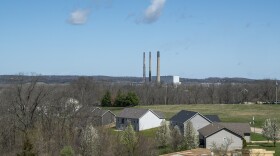 Congressional representatives from St. Louis and Kansas City and environmental groups argue the state’s plan doesn’t make meaningful attempts to reduce the pollution that causes haze.
 -
 A fire at a recycling plant on Friday morning sent smoke billowing miles away, impacting air quality across the metro. By Saturday, fire fighters managed to control the fire and air quality levels in the area are considered "acceptable."

© 2026 Kansas City Public Radio
NPR in Kansas City
Play Live Radio
Next Up:
0:00
0:00
Available On Air Stations


