-
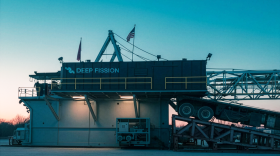 Deep Fission’s planned one-mile underground nuclear reactor project in Parsons, Kansas, passed an initial regulatory milestone, but new questions surround whether the project is financially viable and will be completed as planned.
 -
 Midwestern ratepayers have seen utility bills rise in recent years, as growing demand puts pressure on an aging electric grid. Also, as large data centers pop up around the country, a Missouri scientist is raising concerns about an often-overlooked form of pollution: noise.
 -
 Data center demand, severe weather and the aging grid are forcing utilities to drive up electricity rates. While the Midwest has historically had the cheapest energy in the nation, forces are undermining that trend.
 -
 As technology companies build AI data centers across Missouri, consumer advocates worry the cost for the vast infrastructure upgrades needed will fall to the average energy consumers unless new laws are passed.
 -
 The Missouri House Future Caucus created a new checklist to help local communities consider data center proposals as they move to the state. Among the questions are how resources like water will be protected, and how the local community will benefit after tax incentives and infrastructure costs.
 -
 The Department of Energy set the Independence Day deadline as part of the nuclear reactor pilot program. Deep Fission was one of the advanced nuclear projects. Officials now say they have other goals.
 -
 The City Planning Commission has yet to approve the proposal to build a 384-foot data center in Kansas City’s Quality Hill neighborhood. Neighbors worry the project could drain resources and ignore historic preservation
 -
 Permits in the Kansas City metro area rose 5.7% in May, and they're up nearly 67% compared to a year before. The increase comes after Kansas City eased some of its energy efficiency requirements that developers say raised building costs.
 -
 While Missouri lawmakers did not advance bills to restrict data centers or regulate their water and energy usage, more communities are speaking out and passing their own local moratoriums and restrictions. Next year's session will bring more chances for state legislation.
 -
 Development of large-scale data centers is booming across the Midwest and South. As some communities push back, local and state governments are trying to catch up on how to regulate the new development.
 -
 Some Kansans are spooked by data centers as the likelihood of the state hosting more big tech facilities is rising. One positive to all the hullabaloo? Heightened civic engagement early in local proceedings.
 -
 Missouri lawmakers express interest in job and tax revenue that the data centers could bring. However, consumer advocates expressed concerns that residents would be charged for new power plants due to the increased energy needs.

© 2026 Kansas City Public Radio
NPR in Kansas City
Play Live Radio
Next Up:
0:00
0:00
Available On Air Stations


