-
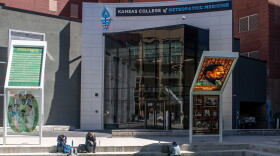 The rules could limit the chances of people attending medical school, further exacerbating the healthcare worker shortage.
 -
 Medical loan closets are growing across Kansas, lending out donated equipment including power chairs, crutches, CPAP machines and more for little or no cost.
 -
 A collaboration of state and local organizations came together for the Rest Easy Naloxone Project.
 -
 Jason-Flor Sisante has always been enamored by outer space. Now, as a member of the United States Navy's aerospace medicine program, he hopes to take his talents as a medical professional into the cosmos.
 -
 Voters around Kansas City went to the polls yesterday, and we'll break down the elections. Plus: A community health center in southeast Kansas is working on solving rural health workforce shortages by introducing elementary schoolers to... frog dissections.
 -
 Dr. Wenjun Ma will use the money to work alongside Dr. Wesley Warren and Dr. John Driver to better understand how a chicken's pulmonary network rewires itself after an HPAI infection.
 -
 A Missouri engineering professor has developed a process to use off-the-shelf 3D printers to make devices that can test medicines and treatments on tissues and cells.
 -
For much of Kansas City’s homeless population, seeking medical treatment is not only hard, it can also be demeaning. One nurse practitioner made it her mission to change that.
-
 People trying to kick addiction should have access to medical detox programs, but these treatments aren’t widely offered in Kansas.
 -
 Missouri has banned medical gender-affirming care for youth and some adults since 2023. But other forms of gender-affirming care is happening in the state — including haircuts, facial waxing and photography — and advocates say it's saving lives.
 -
 St. Charles, Missouri, resident Sue Bell became one of the first Alzheimer's patients in the U.S. to receive the drug now marketed as Leqembi. Her husband isn't sure if it made a difference.
 -
 Missouri lawmakers banned transgender student athletes from playing on sports teams that align with their gender identity, and restricted transgender minors from accessing gender-affirming health care like hormone treatments. But the current laws expire in August 2027.

© 2026 Kansas City Public Radio
NPR in Kansas City
Play Live Radio
Next Up:
0:00
0:00
Available On Air Stations


