-
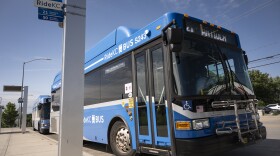 The Kansas City Area Transportation Authority was set to cut a fourth of its routes in just a few weeks because of budget shortfalls. Kansas City’s $8 million funding boost will prevent the cuts, but leaders across the city and agency seek a more stable solution.
 -
 Officials presented a plan for an east-west streetcar route that runs between Kansas City's historic jazz district and Main Street, where it would intersect with the existing north-south line. The project is in its early stages, and it's not clear where the funding would come from.
 -
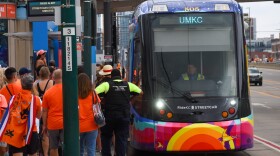 The streetcar has seen record ridership numbers in the past month. Operators and mechanics say the growth is positive but has caused stress on the system.
 -
 Kansas City leaders are already talking about holding onto the giant red Heart Gateway even after the Fan Festival closes. But what about the transportation system that connected people to the stadiums and the airport? It's time to start thinking big about the region's future.
 -
 A county-wide sales tax could provide tens of millions of dollars each year for public transportation, potentially reversing the yearslong trend of Kansas City riders losing bus routes. Jackson County legislators want to hear what residents need before placing the tax on the ballot.
 -
 Kansas City’s transit authority could become among the first in the nation to use AI-powered cameras on city buses to help strengthen security and more quickly detect banned passengers. But critics worry about privacy and scaring away riders.
 -
 The Kansas City Area Transportation Authority could be one of the first in the nation to add AI-powered facial recognition cameras to its bus fleet this fall. National nonprofits and a KCATA commissioner are concerned about the privacy and security of riders.
 -
 Where are the transportation bottlenecks around Kansas City? MARC is studying how the World Cup is affecting travel, with thousands of extra cars on highways, passengers on buses and streetcars, bikes on trails and pedestrians wandering downtown.
 -
 Traffic stacked up before Kansas City's much-anticipated Argentina-Algeria match, with many fans abandoning their vehicles and walking to Arrowhead Stadium. Officials are making changes ahead of Saturday’s match between Ecuador and Curaçao.
 -
 Argentina and Algeria face off June 16 at 8 p.m. at Kansas City Stadium. Demand for ConnectKC26's direct bus service to the stadium for the match is surging, with some routes already sold out.
 -
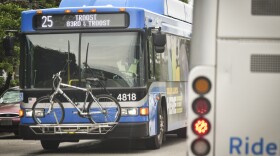 A ambos lados de la frontera estatal, los usuarios del transporte público en el área metropolitana de Kansas City tendrán que pagar el pasaje de autobús por primera vez desde el 2020. Sin embargo, algunos residentes podrán optar por tarifas gratuitas o reducidas.
 -
 The streetcar’s 3.5-mile Main Street extension opened in October 2025, and another extension to CPKC Stadium opened last month. A team is now studying extending the north-south line farther, to North Kansas City. The Kansas City Streetcar Authority will host two open houses this month for residents to learn more.

© 2026 Kansas City Public Radio
NPR in Kansas City
Play Live Radio
Next Up:
0:00
0:00
Available On Air Stations


