-
 Federal agencies have mandated and facilitated testing for the H5N1 virus to try to protect birds, cows and humans; researchers in the Midwest hope those efforts continue under the new presidential administration.
 -
 The tension over water for Quivira National Wildlife Refuge has lasted for decades. But recently, water users made progress toward using less groundwater in the area that impacts Quivira.
 -
 Missouri’s falconry hunting season opened February 11 for ducks, coots and mergansers, and light goose season began on February 7. Conservation experts say waterfowl can carry avian flu, and it's important to take proper precautions around wild birds.
 -
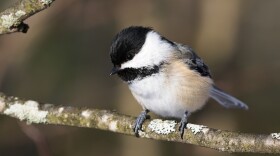 The annual “Great Backyard Bird Count” asks people to track the birds they see and hear over a few days. The information can help researchers better understand bird populations and whether species are declining.
 -
 There is one economic riddle ahead of Super Bowl Sunday: The egg market has been hit hard by avian flu, but wings are abundant and relatively affordable this year. So what gives?
 -
 Concerns about an outbreak of avian influenza have increased nationwide. Two Kansas health experts discuss how to limit its spread, and why public health risk still remains low.
 -
 Two lead-poisoned bald eagles were recently euthanized at the World Bird Sanctuary in Missouri after efforts to save them failed.
 -
 Tests of geese found in Henry and Vernon counties showed probable avian influenza infections, prompting the Missouri Department of Conservation to warn people to avoid touching any dead waterfowl and report them for testing.
 -
 The Upper Mississippi River National Wildlife and Fish Refuge is the core of a major flyway for migrating birds and one of the most visited refuges in the U.S. Anglers and outdoor enthusiasts saved it from being drained 100 years ago, but the next century brings new challenges.
 -
 A federal program kills hundreds of thousands of wild animals a year — like cowbirds in Missouri and prairie dogs in Kansas. Documents obtained by NPR show that many of those animals were killed in places where no damage to livestock was reported.
 -
 Sending birds through the mail is a longstanding practice in the United States, but reports of deliveries that come too late for hatchlings to survive are getting more common. It's part of a larger trend of complaints about delays within the U.S. Postal Service.
 -
 For more than a century, bird hatcheries and farmers across the country have used the U.S. Postal Service to ship newborn birds. But recent shipment delays have led to many birds dying in transit. Plus: Climate change could bring more water scarcity to the Midwest and Great Plains and, with it, more legal battles over water.

© 2025 Kansas City Public Radio
NPR in Kansas City
Play Live Radio
Next Up:
0:00
0:00
Available On Air Stations


