-
 Affordability is looming over the coming midterm elections, with new research revealing that almost a quarter of Midwestern households report having trouble paying their bills, mortgage, or rent. Plus: Missourians said “no” in August to a proposed amendment that would have made it harder to change the state constitution. Now, a different amendment could make it lawmakers to reverse voter-approved initiatives.
-
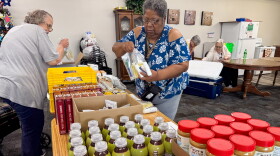 Wages in the region, already lower than other parts of the country, have stagnated. Like everywhere else, prices for essentials continue to rise. Polls show most voters blame the Trump administration.
-
Corn and soybean harvests are starting just as the fuel farmers need to reap is shooting up in price. Plus, older Americans on fixed incomes are hit especially hard when food costs spike.
-
 More people signed on to run Airbnbs, VRBOs and other short-term home rentals in anticipation of an influx of visitors. With more places in the market, occupancy rates actually went down — but prices went up.
-
 Tuition for full-time, resident students has gone up by an average of 26.6% at Kansas state universities in the past 10 years.
-
 The Kansas Supreme Court chief justice announced the raises last week after the Legislature adjourned the 2026 session without appropriating money for them.
-
 Inflation and unemployment in America are low, but many people are still feeling the pain of a tough economy. At a forum at the National World War I Museum and Memorial, panelists discussed what’s leading to high prices, and how a “K-shaped” economy explains the disconnect.
-
 Since 2021, electricity prices have increased nearly 40%, with the average household spending more than $1,800 on their bills in 2024.
-
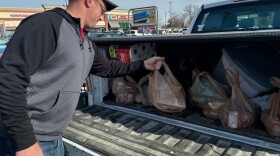 Trump promised to "make America affordable again," but food prices are still rising. Although Kansas City and St. Louis residents enjoy a lower cost of living than many Americans, that's of little comfort when household staples remain unaffordable for many.
-
 Health insurance premiums are expected to jump in 2026, and many Kansas City businesses say they’ll be forced to pass some of the increase on to employees.
-
 Kansas City nonprofits need to feed more hungry people with less funding. Here's what they're tryingKansas City community kitchens are seeing higher demand as food prices remain high and COVID-19 assistance disappears. The food bank Harvesters is focusing on rescuing food waste as one way to shore up its supplies as demand rises, and donations are down.
-
 Recent data shows food inflation is slowing down. But with prices still much higher than they were a few years ago, grocery bills are getting a spotlight on the campaign trail.

© 2026 Kansas City Public Radio
NPR in Kansas City
Play Live Radio
Next Up:
0:00
0:00
Available On Air Stations


