-
 The Unified Government will auction off owner-occupied houses, vacant lots and commercial properties with delinquent property taxes on Wednesday. But a group of Wyandotte County residents is trying to raise money to help families stay in their homes.
 -
 Warmer-than-normal-temperatures in the Pacific Ocean are driving what could be the strongest El Niño on record. Here’s how that’s likely to impact weather across the central U.S this year.
 -
 After violent winds toppled tents and booths Sunday night, officials told vendors to clean up and go home for everyone's safety. But visitors still hit the carnival rides, without cotton candy and kettle corn.
 -
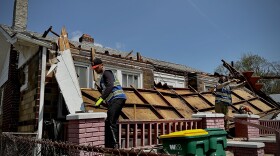 One government official said 32,000 cubic yards of debris had been removed from curbsides in Wyandotte County, and estimated that three or four weeks of work remain.
 -
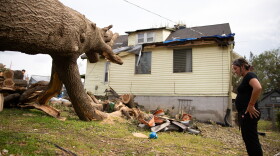 Wyandotte County resident Raúl Álvarez is still feeling the aftermath of the Aug. 18 storm that left thousands around Kansas City, Kansas, without power and with significant building damage. County officials continue to call for volunteers.
 -
 3D-printed concrete blocks being developed by Kansas State University could help build severe weather shelters in places like manufactured home communities.
 -
A heavy thunderstorm dumped inches of rain and hail on Kansas City, Kansas, leaving at least 60 homes in need of major repair, but the damage isn't likely to trigger a federal response.
-
 The record-breaking storm was a reminder for some scientists of how the changing climate will force new plans for the future.
 -
 Flash floods devastated parts of southeast Missouri late last week, leaving one person dead. Community members say they're working to rebuild and are seeking help.
 -
 Five counties in mid-Missouri hit by severe storms and tornadoes in late April will get assistance from FEMA for impacts to infrastructure.
 -
 Heavy rain and thunderstorms swept through Kansas City on Thursday, forcing the Fan Festival to close early. But the World Cup match kicked off as scheduled, with the Dutch national team beating Tunisia 3-1.
 -
 Missouri reports about 40 tornadoes in a typical season — but it's surpassed that number all of the last three years. Unusually high temperatures in March and April brought more frequent storms.

© 2026 Kansas City Public Radio
NPR in Kansas City
Play Live Radio
Next Up:
0:00
0:00
Available On Air Stations


