-
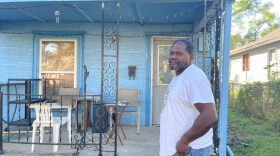 The Unified Government will auction off owner-occupied houses, vacant lots and commercial properties with delinquent property taxes on Wednesday. But a group of Wyandotte County residents is trying to raise money to help families stay in their homes.
 -
 With Election Day less than a month away, Republican Ty Masterson holds an advantage in recent polls as Democrat Cindy Holscher works to raise her profile. Both candidates continue to focus on education and property taxes on the campaign trail.
 -
 In one of the state’s few competitive Senate races, the candidates draw contrasts over public schools, taxes and abortion.
 -
 One part of City Council's financing plan authorizes $615 million in bonds to fund the future stadium in Crown Center. Another creates a "stadium impact area," where certain future tax revenue increases will be redirected to pay off the debt.
 -
 Kansas City Council could redirect certain tax dollars from parking spaces, Westside restaurants, energy companies, and more for the next 30 years to help pay for a new Royals ballpark in Crown Center. The council's finance committee advanced the ordinance on Tuesday.
 -
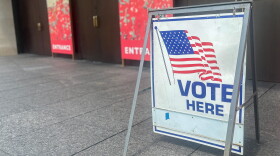 If passed on Nov. 3, the amendment would establish the “Show-Me Prosperity Fund,” a public endowment similar to a sovereign wealth fund. However, it would not allocate any money into that fund. Supporters hope that the investment could one day be used to replace state taxes entirely, but economists worry that it could put state services at risk.
 -
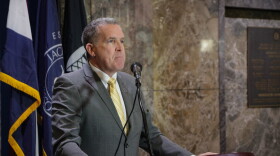 On Wednesday, the Jackson County Legislature overrode two vetoes from Phil LeVota, slightly increasing levies for the Community Mental Health Fund and Board of Services for the Developmentally Disabled.
 -
 Kansas City's plan to pay back the $600 million it will borrow for or spend on the Royals stadium at Crown Center relies on tax revenue that wouldn’t exist without the new ballpark.
 -
 On Nov. 3, voters in Kansas and Missouri will decide multiple consequential ballot issues — including on abortion access and gerrymandering. They'll also vote for U.S. Senate, U.S. House, and other offices from the governor down to the local level.
 -
 The public agency voted to issue nearly $1.5 billion in bonds and tax breaks to Gillon Property Group early this week. Jon Stephens, the president and CEO of Port KC, says the deal is critical to the revitalization of the historic Plaza neighborhood.
 -
 Kansas City officials delay Royals stadium decision, while giving out little info about funding planA city council committee pushed back discussions on bonds and lease agreements for a downtown Royals stadium. Critics say that still isn’t enough time to learn about the financing deal, and have turned in thousands of signatures to force a public vote.
 -
 Despite the backing of Gov. Mike Kehoe, proposed constitutional amendments that would have made it more difficult for citizens to change the constitution and start the process of eliminating the state income tax were overwhelmingly rejected by Missouri voters.

© 2026 Kansas City Public Radio
NPR in Kansas City
Play Live Radio
Next Up:
0:00
0:00
Available On Air Stations


