-
 The U.S. Senate race in Kansas has attracted national attention. But where do Republican incumbent Sen. Roger Marshall and Democratic nominee Adam Hamilton stand on affordability, healthcare, the war in Iran and other issues that matter to Kansan? Plus: Missouri produces the third-most beef cattle in the country but the spike in diesel prices has been hitting farmers hard.
 -
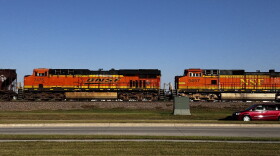 Harvest season is nearing for many farmers. But the railroads that transport their harvested grain have raised their shipping costs with record-high diesel prices. That could mean lower grain prices for growers.
 -
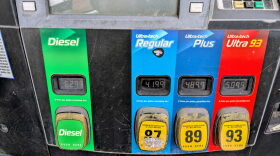 Elevated fuel costs are expected to squeeze farm profits and trickle down to consumers.
 -
 Conflicts in Iran and Russia are causing diesel prices to spike globally. That’s especially hurting U.S. farmers as they head into harvest season, the most fuel intensive period of the agricultural year.
 -
Corn and soybean harvests are starting just as the fuel farmers need to reap is shooting up in price. Plus, older Americans on fixed incomes are hit especially hard when food costs spike.
-
 The Trump administration has tried to lower beef prices for months, but demand, drought and a parasite have foiled its efforts. Some ranchers are frustrated with the administration’s latest moves.
 -
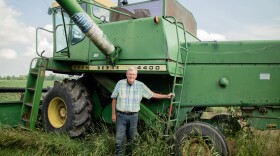 More farmers are opting to repair old tractors, combines and other machinery instead of buying new upgrades. A tough farm economy and historically-high equipment prices are at least partly to blame.
 -
Childcare costs in Missouri and Kansas can now rival a mortgage for working families, but two Midwestern lawmakers are fighting to change that. Plus: After the Affordable Care Act tax credits lapsed, healthcare premiums spiked for millions of farmers and ranchers.
-
 Passing on the family farm to the next generation is typically an involved process, both financially and emotionally. A turbulent agricultural economy the past few years has made that transition even more difficult.
 -
Experts say affordable housing and a lower cost of living are driving people back into the Midwest. Plus: Many farmers are worried whether they'll see a profit this year thanks to high supply costs.
-
 Corn and soybean growers have seen several years of low commodity prices and increased costs for supplies like fertilizer and fuel. That has many farmers worried about whether they'll turn a profit this year and drawn some comparisons to a dark time in American agriculture.
 -
 The Trump administration lowered tariffs on farm equipment last month. But with economic pressures on farmers, equipment dealers and manufacturers, the move may not bring much relief.

© 2026 Kansas City Public Radio
NPR in Kansas City
Play Live Radio
Next Up:
0:00
0:00
Available On Air Stations


