-
 Missouri Attorney General Catherine Hanaway issued a cease and desist order to Kalshi on offering sporting events on its platform. Kalshi argued in court documents that only a federal agency can oversee the prediction market.
-
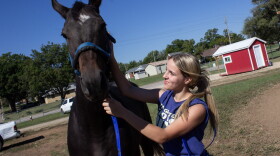 Eureka Downs, the oldest track west of the Mississippi River, has weathered two tornadoes and bankruptcy. As it reopens, some disagree about the industry’s safety, but many in the state see a potential economic boon from the sport.
-
 Missouri Attorney General Catherine Hanaway issued a cease and desist order to Kalshi, contending that the prediction market is trying to get around sports betting regulations.
-
 One sports market analyst said he was surprised that the FIFA World Cup, for which Kansas City was a host city in June and July, didn't drive more wagers.
-
 The total amount wagered in June was $258.3 million, a 0.8% increase from May. Almost all sports bets were made on mobile betting sites, accounting for 99.5% of all money wagered.
-
 The Aug. 4 proposal would require citizen-led amendments to win in every congressional district, turning the ballot fight into a debate over who speaks for voters outside Missouri's big cities.
-
 Since the U.S. Supreme Court legalized sports betting in 2018, nearly 40 states have legalized the practice, including Kansas and Missouri. As professional sports teams partner with sportsbooks and gambling scandals continue to affect leagues, how much is the integrity of sports at risk?
-
 A new report finds that states with legalized sports betting aren’t doing enough to protect people from gambling trouble.
-
Missourians bet more than half a billion dollars in the first month of legal sports wagering, but just over $500,000 came back to the state as tax revenue.
-
 More than a year after Missouri voters narrowly approved the legalization of sports betting, the books are now open across the state. Missourians wagered more than $543 million in December, although the state made little tax revenue from that. Now a bill could legalize video lottery terminals.
-
 This is Missouri's first Super Bowl with legal sports gambling — even though the Chiefs aren't in itMissouri's top gambling official expects "an uptick in bets" for the first Super Bowl since the state legalized sports betting. But the state won't likely make much in revenue from the bets.
-
After providing more than $100 million in free plays to lure customers, FanDuel and DraftKings, the sports books dominating the state market, paid no taxes.

© 2026 Kansas City Public Radio
NPR in Kansas City
Play Live Radio
Next Up:
0:00
0:00
Available On Air Stations


