-
 Habitat for Humanity of Kansas City is building entire neighborhoods of affordable housing in Kansas. The nonprofit is using a real estate tool known as a community land trust to ensure the homes remain affordable forever. Plus: The USDA's "Climate Hubs" have helped farmers adapt to a changing climate, but their funding may be in jeopardy.
 -
 In "Footeprint," out today, Lindsay Metcalf resurrects the history of Eunice Newton Foote, a 19th-century scientist who discovered carbon dioxide’s heat-trapping properties while fighting for women’s place in science.
 -
 In 2014, the U.S. Department of Agriculture created a network of “climate hubs” to understand how climate change affects agriculture and forestry and help farmers adapt to more extreme and unpredictable weather. Now, the future of these hubs is uncertain.
 -
Tumbleweeds have taken over the High Plains. The plant thrives so well in the western part of Kansas that sometimes they can shut down entire neighborhoods or highways. Plus: An inconspicuous insect is changing what survival looks like as climate change remains a threat.
-
A data center in the Crossroads is one of the first in the country to get a loan for clean energy. Plus: Scientists across the central U.S. say they have experienced a year of change and uncertainty under the second Trump administration.
-
 A team of researchers studied the effects of heat on the survival and reproduction of Missouri treehoppers. "This is more of a story of resilience," says a St. Louis University biology professor.
 -
 KBIA’s The Next Harvest podcast tells the stories of farmers in the Midwest using regenerative agriculture practices and high-tech tools to make their farms sustainable -- including agrivoltaics, drones, precision agriculture, and cover crops.
 -
 At grassland sites worldwide, including the Midwest and Great Plains, scientists simulated extreme drought conditions. The study provides a far-reaching and systematic look at the effects of drought severity.
 -
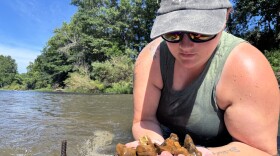 The fish and rare mussels hiding in the Spring River that flows through Kansas and Missouri are signs that environmental cleanups are helping river wildlife recover from a century of mining pollution.
 -
 Deep Fission says it plans to install a nuclear reactor underground at an industrial park in southeast Kansas. State and local government leaders are on board. It’s part of a national push for new nuclear energy generation.
 -
 Some of the country's highest home insurance prices are in the central U.S., a region generally considered to be protected from climate-driven disasters such as wildfires and hurricanes.
 -
 Tech companies have been building more data centers around Kansas City, spurred by the increased need for artificial intelligence. But residents are worried about the environmental impact, higher utility bills, and the long-term consequences for communities.

© 2026 Kansas City Public Radio
NPR in Kansas City
Play Live Radio
Next Up:
0:00
0:00
Available On Air Stations


