-
 Inside a former Missouri asylum, a psychiatric museum has a haunted reputation — and a noble missionThe Glore Psychiatric Museum in St. Joseph, Missouri, attracts lovers of the macabre, odd and supernatural for its eerie exhibits. But its founder, longtime state hospital employee George Glore, wanted to document how far the field of mental health care had advanced in the hopes of combating negative stereotypes.
 -
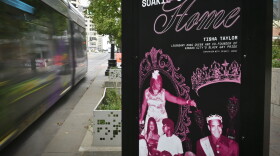 A new historic marker pays tribute to the former site of Soakie’s, the Black queer bar that once operated out of the basement of an Italian sandwich shop. The nightclub regularly hosted drag performances, and served as a home to the local LGBTQ+ community.
 -
 After the USDA admitted in 1997 that its programs had routinely discriminated against Black farmers, tens of thousands of them sued the federal government. A judge ultimately ruled in their favor, and farmers were promised nearly $2.2 billion in compensation. But all of these years later, some victims — including in the historic town of Nicodemus, Kansas — still haven’t received anything.
 -
 Despite memorials and commemorations, some observers fear the tragedy is fading from memory as the nation marks 25 years since the 2001 terrorist attacks.
 -
 Harry Houdini was a master of escape. He was also a self-promoter who once performed a stunt in downtown Kansas City to draw an audience to his shows. We'll learn about the Houdini escape that originated right here in Kansas City.
 -
 Harry Houdini's connection to Kansas City started out by accident, but it lasted throughout his legendary career. A new historic marker will commemorate the debut of his first escape from a straitjacket while suspended in midair.
 -
The biggest natural disaster ever to hit Kansas City struck 75 years ago. The Black Friday Flood of 1951 is remembered as bigger, nastier and worse than you can probably imagine.
-
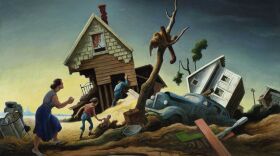 The 1951 Black Friday Flood on the Kaw River destroyed Kansas City's Stockyards and meatpacking industry, did $12 billion worth of damage and displaced 750,000 people.
 -
If you go to any ice cream truck or swimming pool snack bar, you’ll likely find the red, white and blue Bomb Pop. The famous treat was invented in Kansas City in 1955. But when the popsicle first came out during the Cold War, some parents didn’t like the idea of selling a frozen weapon of war to children.
-
 The red-white-and-blue popsicles are the ultimate shorthand Americana — a throwback to the simple days of ice cream trucks, July 4th fireworks and humid summer nights. But after the Bomb Pop came on the market in July 1955, some parents revolted over the symbolism of selling a frozen weapon of war to children.
 -
 The JuneteenthKC Heritage Festival takes place this year across two days in a newly-transformed Historic 18th and Vine district. It's also the first time festival organizers will welcome a World Cup audience.
 -
 Los esfuerzos de Kansas City de ser anfitriona de la Copa Mundial se remontan a 1988. Y ahora, el torneo finalmente está aquí, tras cuatro años de preparativos que no solo han remodelado la infraestructura de la zona metropolitana, sino que también han consolidado su identidad como una auténtica ciudad del fútbol.

© 2026 Kansas City Public Radio
NPR in Kansas City
Play Live Radio
Next Up:
0:00
0:00
Available On Air Stations


