-
 The Kansas City region added an estimated 12,800 jobs in 2026, nearly triple that of 2025, with the healthcare and construction industries gaining the most. But the number of people in the workforce actually shrank.
-
 The United Way of Greater Kansas City has come out with new data that reveals thousands of working residents would be in a financial crisis if they had a medical, car or housing emergency, even though they live above official poverty levels.
-
 Wages in the region, already lower than other parts of the country, have stagnated. Like everywhere else, prices for essentials continue to rise. Polls show most voters blame the Trump administration.
-
 Pew Research Center released new data showing a majority of Americans feel that life has become unaffordable, and are becoming pessimistic about their ability to save and plan for the future.
-
 People who lose their jobs in this economy are taking longer to find new work. Nearly four in ten people exhaust their unemployment benefits before they land a new job.
-
 Sheila Bair, a Kansas native who served as the chair of the FDIC from 2006-2011, is in Kansas City this week to accept the Truman Medal for Economic Policy from the Truman Library Institute. Bair said she is worried about the weakening of banking reforms, and sees a lot of risky lending happening right now.
-
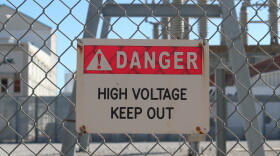 Data center demand, severe weather and the aging grid are forcing utilities to drive up electricity rates. While the Midwest has historically had the cheapest energy in the nation, forces are undermining that trend.
-
 Over the Labor Day weekend, the president declared on his Truth Social platform “NO MORE SELLING BOMBARDIER IN THE UNITED STATES!” The Canadian aircraft maker has multiple manufacturing partners and facilities in the United States, including in Wichita, Kansas.
-
 Data centers that power AI are exploding across the Midwest — and so is opposition to them. Now, people across the political spectrum want to see stricter regulation and more transparency.
-
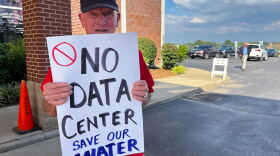 Big tech companies are facing formidable opposition from a coalition of people across the political spectrum. Meanwhile, local elected officials find themselves scrambling to draft regulations and defend themselves against accusations of secrecy.
-
 Sports economists looking at the $600 million deal between the Royals and the Kansas City Council aren’t very impressed. The quickly-passed measure leaves many unanswered questions about where the public funds will come from, how much risk Kansas City will take on, and if the economic benefits will actually pan out.
-
 Inflation in food prices can hit even harder for people in their 60s and older as they also juggle fixed incomes, health problems and changes in federal law. Experts say the age group is a “forgotten population” when it comes to food insecurity.

© 2026 Kansas City Public Radio
NPR in Kansas City
Play Live Radio
Next Up:
0:00
0:00
Available On Air Stations


