-
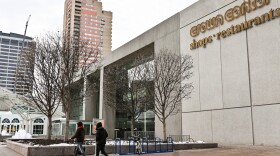 A key part of Kansas City’s financing for a new downtown ballpark relies on evidence of blight in one of the city’s top tourist areas. Critics of the tax incentive say the deal ignores blight in underserved neighborhoods and saps future city funds that could be used to address it.
 -
 Kansas City will start building a park over I-670 after years of delays. Get ready for road closuresThe yearslong effort to build a 5.5-acre park to cap a portion of the south loop stalled because of a lack of funding. The first phase of construction will begin this winter, which will mean years of road closures for drivers.
 -
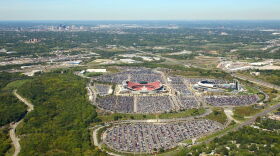 The Truman Sports Complex Redevelopment Task Force, a group convened by County Executive Phil LeVota to imagine a future for the area after the teams leave, released a report with many reuse ideas. The path to accomplish them is more tricky.
 -
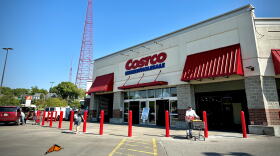 The Linwood location was the first Costco in metro Kansas City and quickly became a retail hub. It generated millions in tax revenue for nearby housing. Now, the company is converting the store into one of its Costco Business Centers, focused on restaurant, small shop and office supplies, to open next spring.
 -
 Voters approved a five-year infusion into the fund this summer. Now, affordable housing projects across are using the funds to serve some of the city’s most vulnerable families.
 -
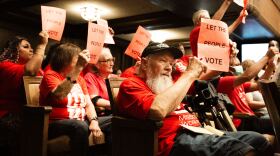 Public funds from city and state sources would contribute 60% of the cost for the Crown Center stadium, possibly through tax-exempt bonds. The Royals will have "no obligation to repay or otherwise support payment of” those bonds, leaving the city to cover any shortfalls.
 -
 The city council approved a plan to repeal the city’s 45-year-old Minority- and Women-Owned Business Enterprise Program after a lawsuit from Missouri’s attorney general alleged discrimination against white men. Business owners want input on the new small-business program meant to replace it.
 -
 The Kansas City Plan Commission unanimously approved the rezoning in an Aug. 5 meeting, making way for a $3 billion Royals ballpark district. Planning officials said the zoning request will be the first step in the redevelopment process.
 -
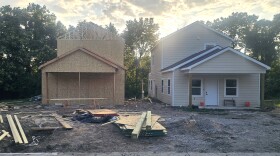 Chris Harris is building houses for rent near Harris Park, where he owns a nonprofit that teaches kids how to play golf and other outdoor sports. The developments will target families making between $34,000 to $70,000 a year.
 -
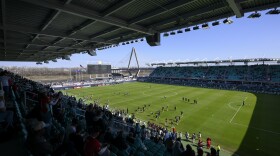 The city will negotiate a deal with the team, which will give hundreds of millions in incentives so the Current can further develop the riverfront.
 -
 The Kansas City Council recently removed a 75-year-old rule that required businesses to provide a certain number of parking spots. Some residents and visitors say the change will exacerbate an already frustrating parking situation.
 -
 Gloria Jackson-Leathers launched the Kansas City Civic Engagement Initiative, which provided after-school programs and funded many museums, helped created the Maker Faire at Union Station and led the development of the KC STEM Alliance.

© 2026 Kansas City Public Radio
NPR in Kansas City
Play Live Radio
Next Up:
0:00
0:00
Available On Air Stations


